


Introduction
In the universe of coffee, where each cup tells a story of aroma, flavor, and technique, the latte is a masterpiece of balance and harmony. As one of the most beloved espresso-based beverages, the latte offers a canvas for baristas and coffee enthusiasts to exhibit their artistry and passion. In this comprehensive guide, we will explore the history, components, brewing methods, flavor profiles, and the captivating world of latte art.

Section 1: The Origins and Evolution of the Latte
1.1. A Touch of Italian Elegance
The latte, short for "cafe latte" in Italian, translates to "milk coffee." It was born in Italy, where espresso culture reigns supreme. The traditional cafe latte consists of one shot of espresso and a substantial amount of steamed milk.
1.2. The Global Love Affair
The latte, with its balance of espresso and creamy milk, quickly spread beyond Italy's borders. It gained popularity in European coffee houses and eventually found a cherished place in cafes around the world.
The caffeine content of a latte depends on several factors, primarily the number of espresso shots and the milk-to-espresso ratio. A standard single espresso shot contains roughly 63 milligrams of caffeine, while a double shot has about 126 milligrams. A typical 12-ounce (355 ml) latte usually includes one or two shots of espresso, resulting in a caffeine content of around 63 to 126 milligrams. However, the actual caffeine content may vary based on the coffee shop's specific recipe and serving size. Additionally, decaffeinated lattes are available, containing significantly less caffeine or none at all, catering to those who prefer to enjoy the latte experience without the caffeine jolt. An online caffeine calculator can better help you calculate the caffeine content of your latte.
Section 2: The Anatomy of a Latte
2.1. Espresso
At the heart of the latte lies a shot of espresso, the concentrated essence of coffee. The choice of beans, grind size, and extraction time profoundly influences the latte's flavor profile.
2.2. Steamed Milk
Steamed milk is the second vital component. It adds a smooth, velvety texture and a touch of sweetness to the latte. Achieving the ideal milk temperature and consistency is an art in itself.
2.3. Microfoam
Microfoam is a key element of a well-crafted latte. It's created by frothing milk to a velvety texture, with tiny, uniform bubbles. Microfoam enhances the latte's creaminess and allows for intricate latte art.
Section 3: Brewing the Perfect Latte
3.1. Espresso Extraction
Creating the perfect shot of espresso is fundamental. Espresso machines vary, but factors like grind size, dose, and extraction time play a crucial role in determining the flavor and strength of the espresso.
3.2. Steaming Milk
Steaming milk requires precision. The ideal temperature for steamed milk is around 150-155¡ãF (65-68¡ãC), which enhances the latte's sweetness and mouthfeel. Expert baristas skillfully texture milk to produce microfoam.
3.3. Pouring and Latte Art
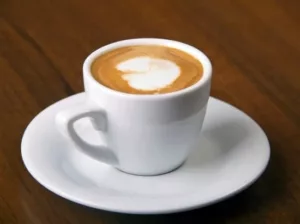
Latte art is an integral part of crafting a latte. To create intricate designs like hearts, rosettes, and tulips, baristas pour steamed milk into the espresso with finesse. Latte art showcases a barista's creativity and dedication.
Section 4: The Flavor Palette of Lattes
4.1. Sweetness and Balance
A well-made latte offers a harmonious blend of sweet and rich espresso with the creamy, sweet notes of milk. The balance between these elements is key to a perfect latte.
4.2. Flavor Variations
The latte's versatility allows for countless flavor variations. Add syrups like vanilla, caramel, or hazelnut for sweetness, or explore seasonal flavors like pumpkin spice or peppermint during different times of the year.
4.3. Decaffeinated and Plant-Based Lattes
For those who prefer less caffeine or have dietary restrictions, decaffeinated lattes and plant-based milk alternatives (like almond, soy, or oat milk) offer exciting options.
Section 5: The Latte Art World
5.1. The Rise of Latte Art Competitions
Latte art competitions, where baristas showcase their pouring skills and creativity, have become popular. These events celebrate the craft of latte art, pushing the boundaries of what's possible.
5.2. The Artistic Process
Creating latte art is a multifaceted process. It requires mastering the pour, understanding milk textures, and having a keen eye for detail. Baristas often practice extensively to perfect their art.
The relationship between macchiatos and lattes is one of contrast and customization within the realm of espresso-based coffee beverages. A macchiato, Italian for "stained" or "spotted," features a single or double shot of espresso "stained" with a small amount of frothy milk. This minimalistic approach results in a bold and intense coffee flavor with a touch of creaminess, often served in smaller quantities.
Conversely, a latte, short for "caffè latte" in Italian, showcases a larger proportion of steamed milk to espresso. This yields a milder and creamier drink with a rich coffee flavor, topped with a layer of milk foam.
The key distinction lies in the amount of milk: macchiato emphasize coffee, while lattes highlight the milk, offering a gentler and creamier coffee experience, and they can be further customized with flavorings, syrups, and more milk or foam, reflecting the diverse preferences of coffee lovers.
Section 6: Home Latte Craftsmanship
6.1. Home Espresso Machines
For coffee enthusiasts who wish to craft lattes at home, investing in an espresso machine is a significant step. These machines offer the control and precision needed to produce quality espresso shots.
6.2. Milk Frothers and Steam Wands
Milk frothers or steam wands are essential for achieving the right milk texture at home. Some espresso machines come with built-in frothing systems.
6.3. Latte Art Kits
Latte art kits often include everything you need to start crafting latte art at home, from pitchers designed for pouring to stencils for creating intricate designs.

Section 7: The Global Love for Lattes
7.1. Latte Around the World
The latte's charm extends worldwide. In the United States, lattes are often enjoyed as comforting and creamy beverages. In Europe, you might find cafes specializing in latte art, showcasing creative designs with every cup.
7.2. Cultural Significance
Lattes have found their way into various cultural traditions. From cozy catch-ups with friends to peaceful moments of solitude, the latte has become a comforting part of daily life for many.
Conclusion
The latte, with its delicate balance of espresso, steamed milk, and artful microfoam, is a testament to the craft of coffee and the passion of those who create it. As you savor your next latte, take a moment to appreciate the journey that each cup represents. The latte is a canvas for both baristas and home coffee lovers to explore their creativity and share the beauty of coffee with the world. Whether you prefer a simple, comforting latte or an elaborately adorned work of art, the latte
References:
A Deep Dive Into The World Of Coffee Bags
Aroma Vs Flavor In Coffee


